
A century at the Conti
One house
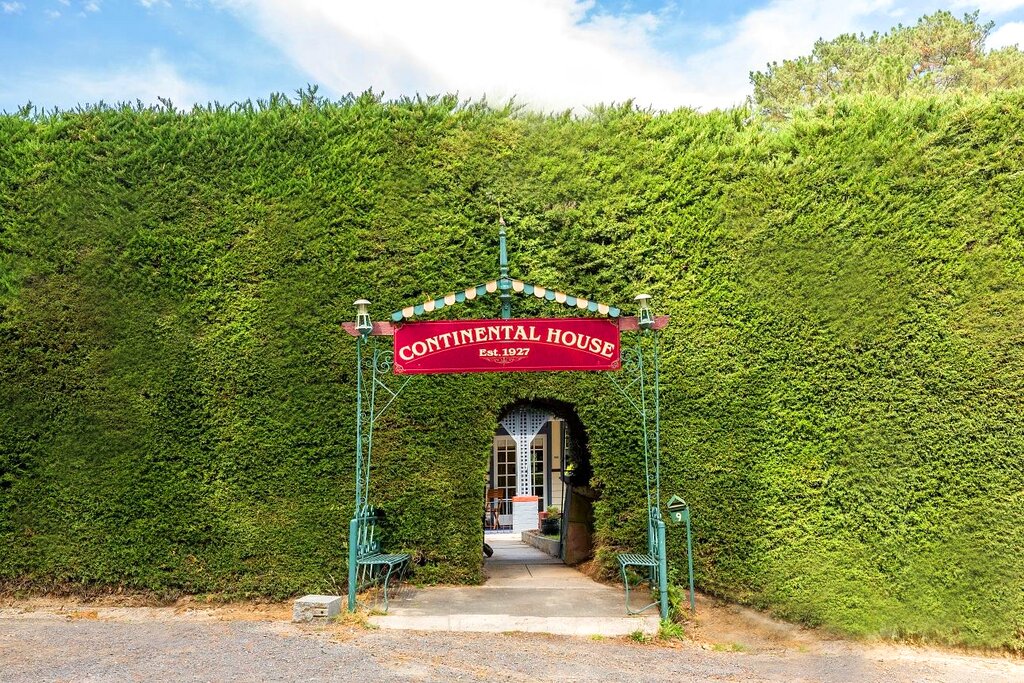
For a hundred years, people have come up the hill to Continental House to rest, to gather and to heal. It has been a kosher guest house, a party house, a home for boys, a vegetarian commune and a wellness retreat. Through every chapter it has been the same thing: a home away from home.
Continental House stands on the land of the Dja Dja Wurrung people, whose connection to this Country and its waters reaches back long before the springs drew visitors from the city.
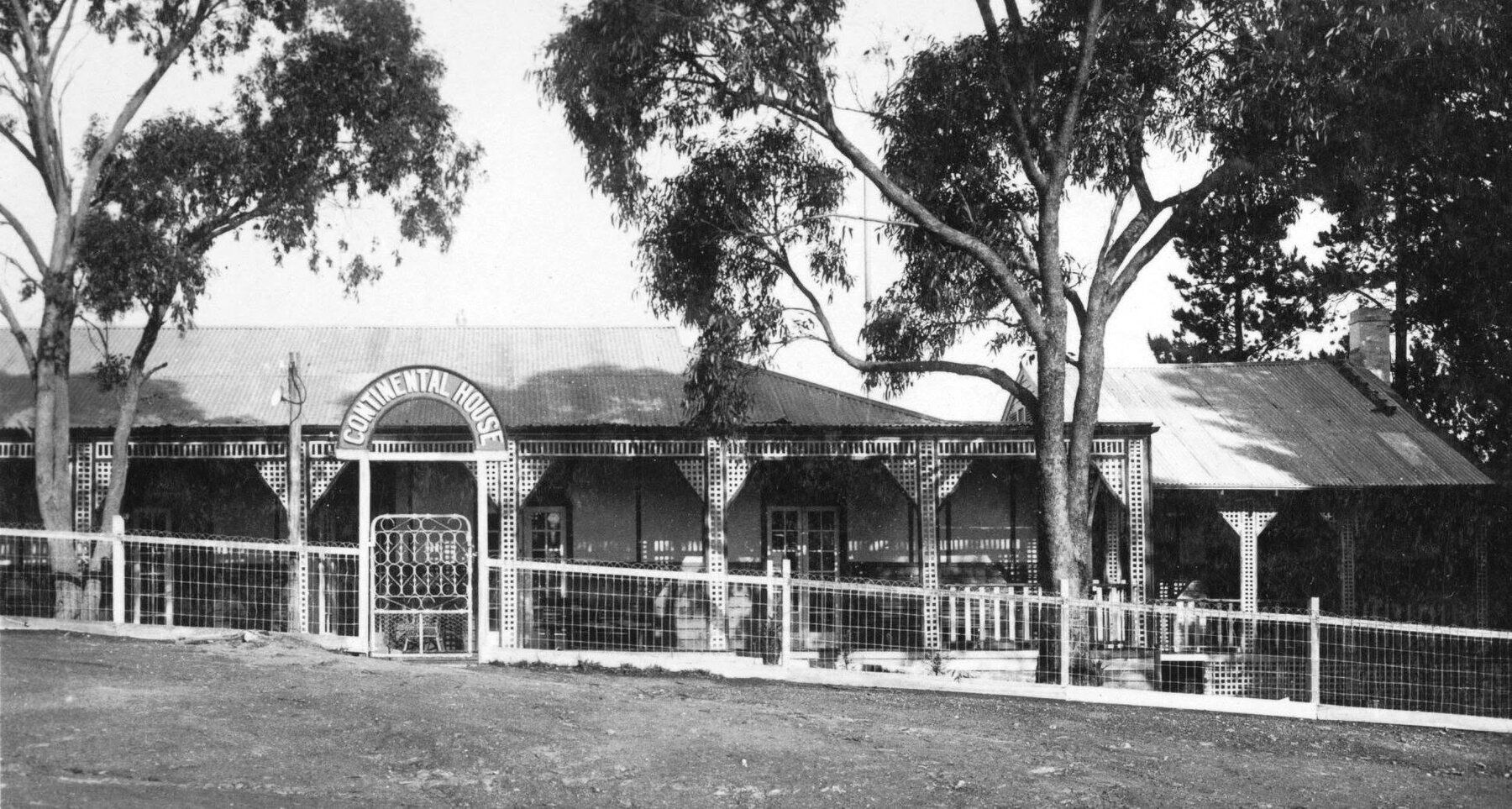
A kosher guest house is born
Dave and Rose Saffer were Jewish immigrants from Minsk who came to Melbourne by way of Ellis Island. Hearing that land was cheap in Hepburn Springs, Dave brought Rose and their three children, Faye, Katie and Mick, up to the Central Highlands and built the Continental himself.
His family remember him as an adventurer: a quiet, immensely strong man who cleared land with dynamite rather than machinery. He levelled the hillside behind the house the same way, to make a tennis court for guests. He also welded wrought-iron gates bearing a Star of David, which led to a rotunda he built for musical evenings.
Rose ran the kosher kitchen on a wood-fired stove, and the girls waited tables and kept the house. On busy weekends Dave was known to appear in the kitchen with mattresses under his arm. He had rented out his daughters’ rooms, and they would be sleeping by the stove that night. Rose guarded her tennis court fiercely. The family still laugh about her chasing two local boys off it, demanding to know “who gave you commission?”
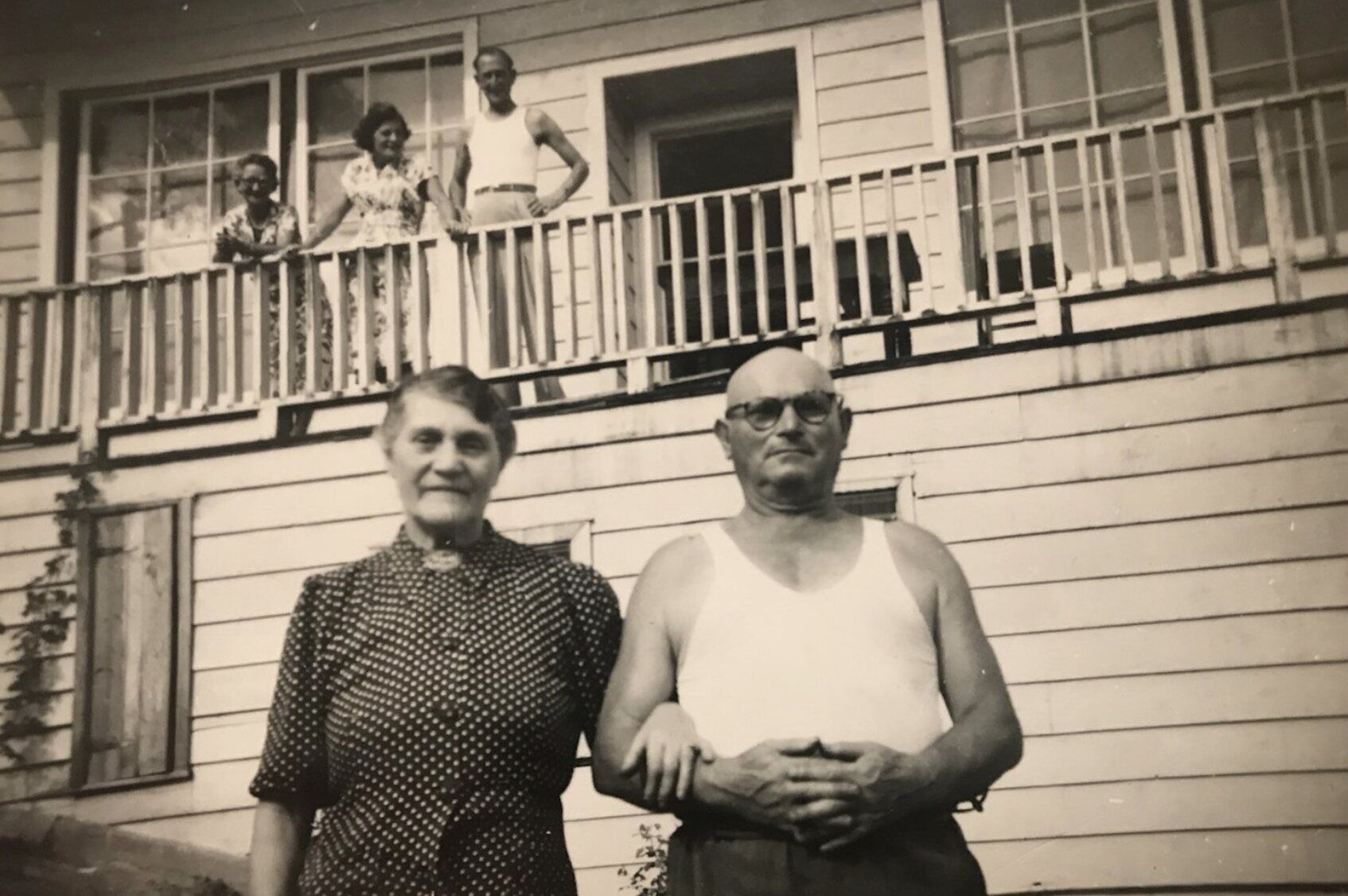
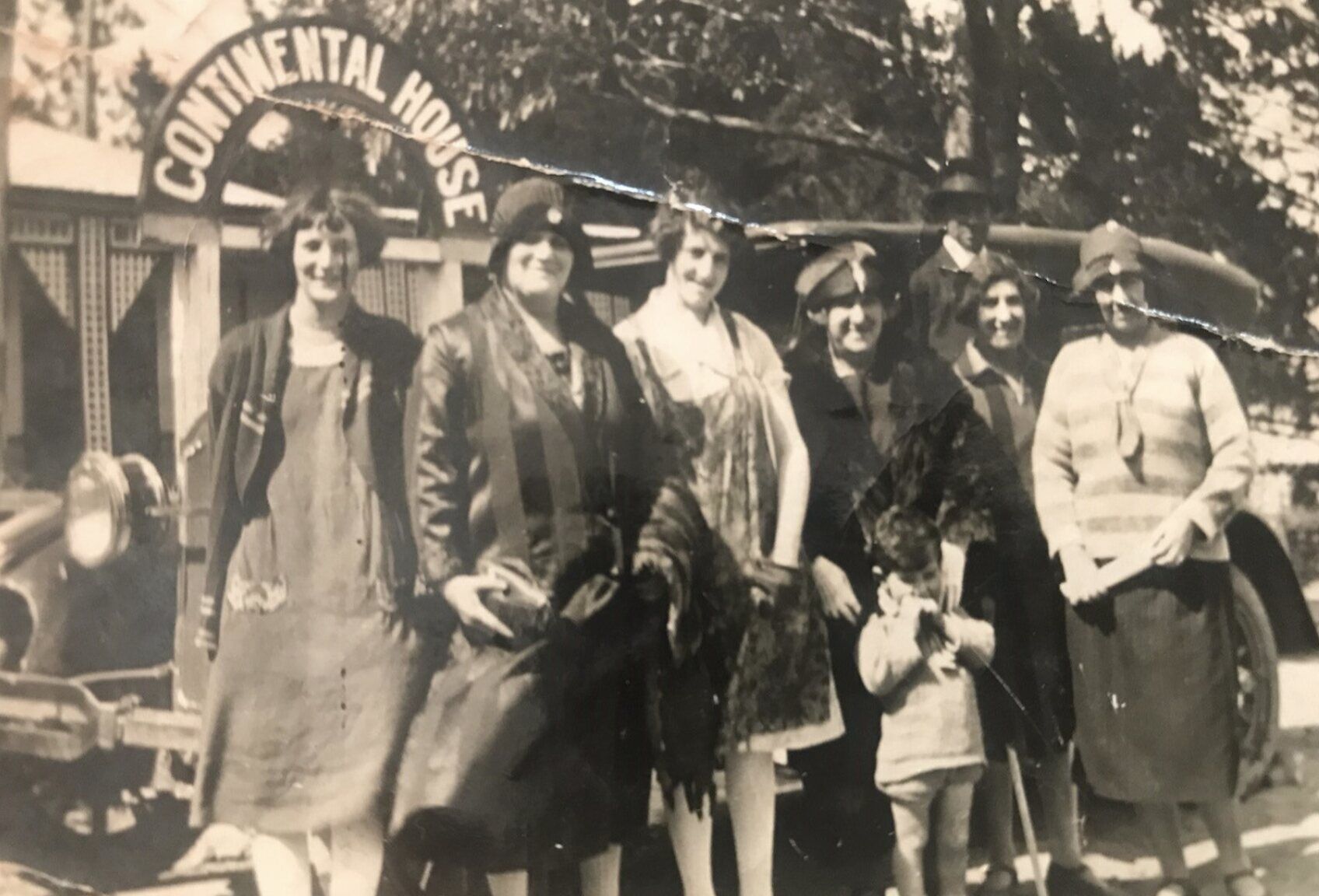
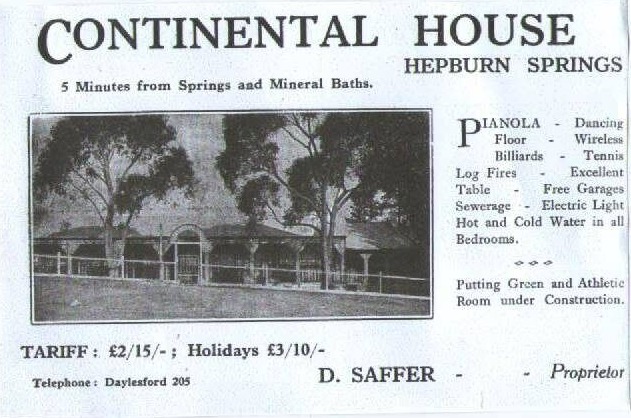
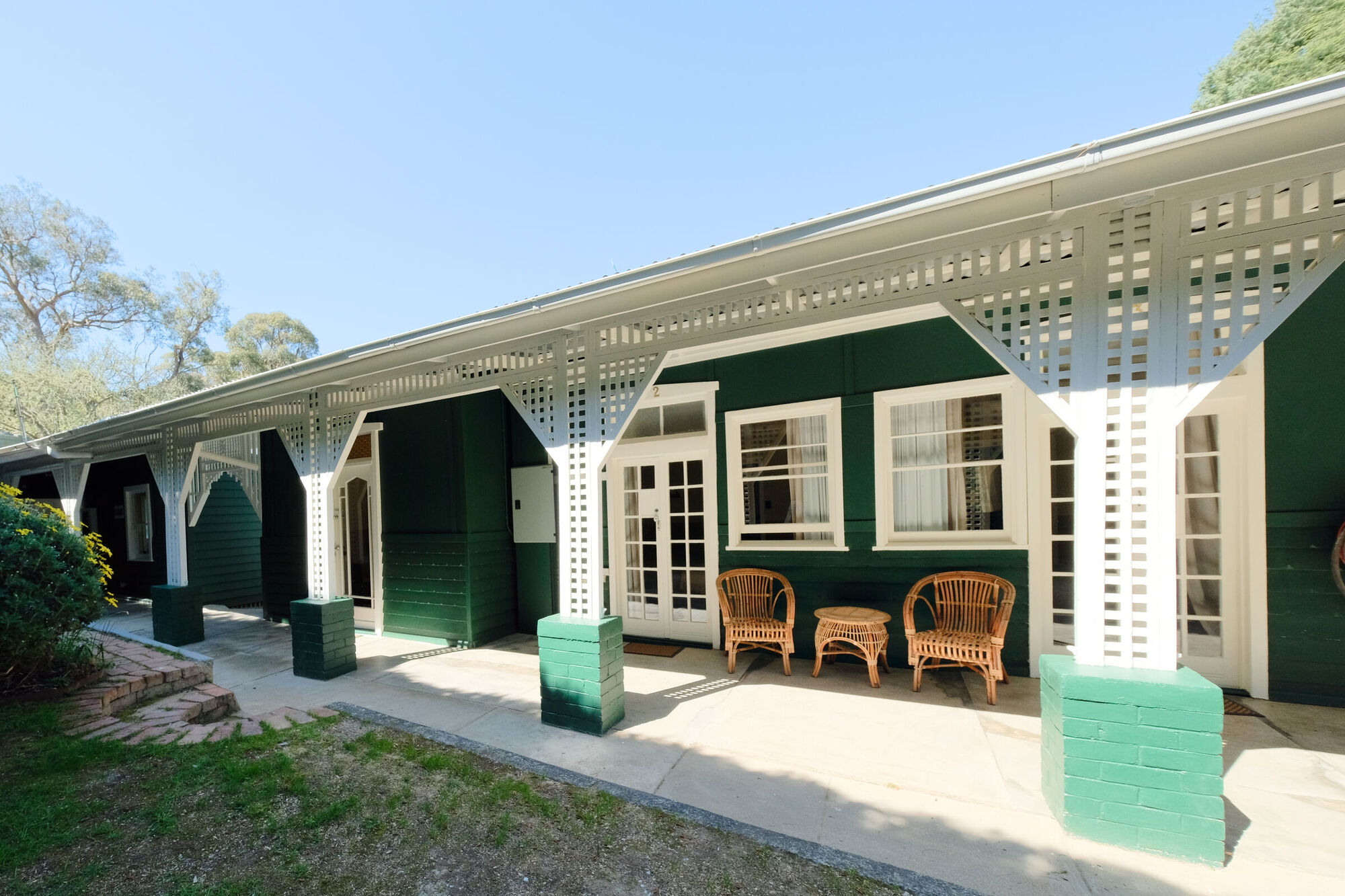
By the mid-1930s, The Age was calling Daylesford and Hepburn Springs the spa centre of Australia. The Saffers’ advertisements offered a pianola, dancing floor, wireless, billiards, tennis, log fires, electric light and an “excellent table.” Every room had hot and cold water, and the springs were a short stroll away. Alongside the main house, Dave let self-contained concrete flats and a four-roomed cottage. A week cost £2 15s, and bookings were by phone to Daylesford 205.

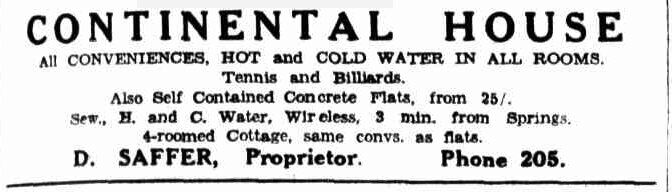
The Roller years
In 1937, I. & O. Roller took over, and the Conti’s reputation grew louder. The salon hosted rambunctious card games and the parties were legendary. Legend has it a room was sometimes sold twice, with one guest kept up drinking all night so the other could sleep. Clearly a Conti tradition.
The Rollers knew their audience. They advertised Hepburn as “the Karlsbad of Victoria,” after the Bohemian spa town where taking the waters had been a cherished pastime for Europe’s Jews before the war. Luxury, in their telling, meant hot and cold water and innerspring mattresses in every room. They billed their “friendly and happy” Continental House as the spa and health resort of Australia, and invited guests to holiday “in a happy Jewish atmosphere.”
The advertisements promised mineral waters and baths, plus the latest American bubble baths. Kitchen offerings included fresh food, daily poultry and special diets on request. In season there was dancing every night to the finest Italian band in Victoria. Movies, cartoons, table tennis, sun decks, a children’s playground and special entertainment for teenagers filled the days. Guests came up on the train from Spencer Street, and the phone number was still Daylesford 205.
The Rollers were known as good friends of the Jewish National Fund. One community notice records a party at the Continental for newly arrived Roller relatives, where guests raised money for the fund. In the years after the war, a Jewish Welcome Society helped new migrants find work and their feet. For decades, families returned summer after summer for the food, music, cards and dancing, and for each other.
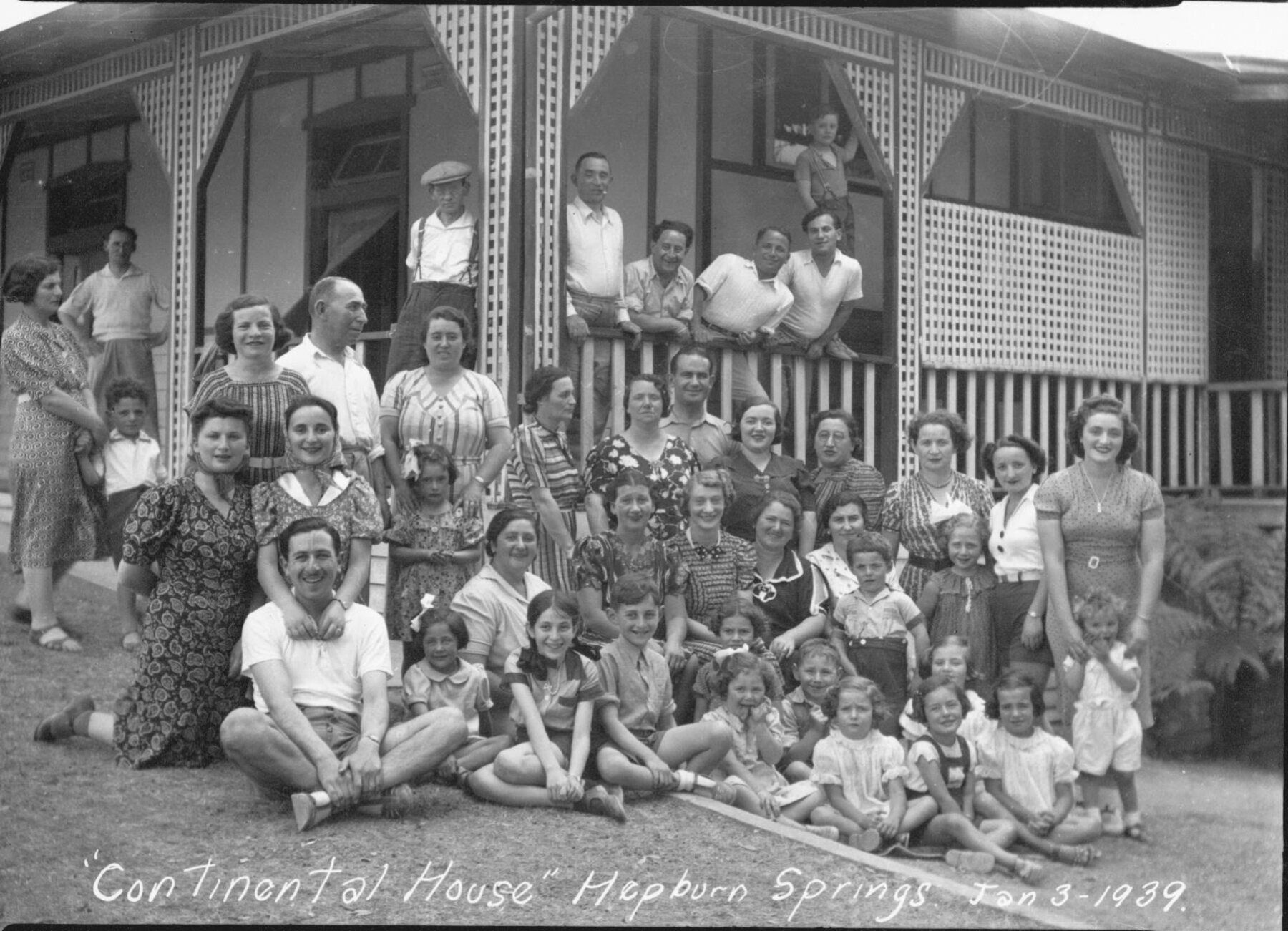
From the archive
A home for boys
Later, for a time, the Conti became a Christian home for boys who needed a fresh start. Little is recorded of those years. But some of those boys, now grown men, still come back to tell us how the house turned their lives around.
The Continental Vegetarian Guesthouse
In the 1980s the Conti entered its hippie era as a pay-as-you-feel guesthouse with shared bathrooms. It drew free spirits and artists looking for respite, and more than a few who came for a weekend stayed six months. On weekends the Strange Fruit Café ran a vegan kitchen for guests and visitors. The house filled with live music, art exhibitions, yoga and healing workshops. Guests painted intricate murals on the bedroom walls, and one survives today in Room 10.
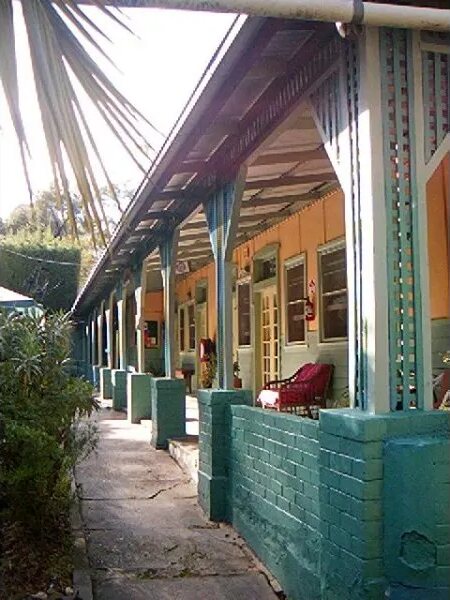
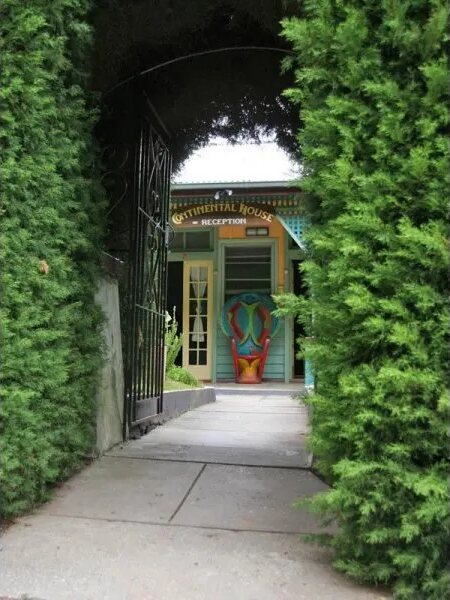
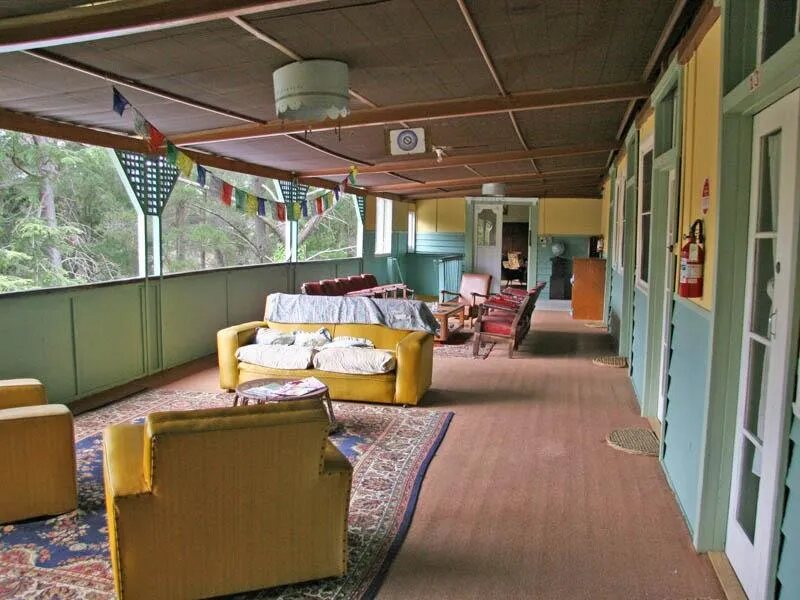
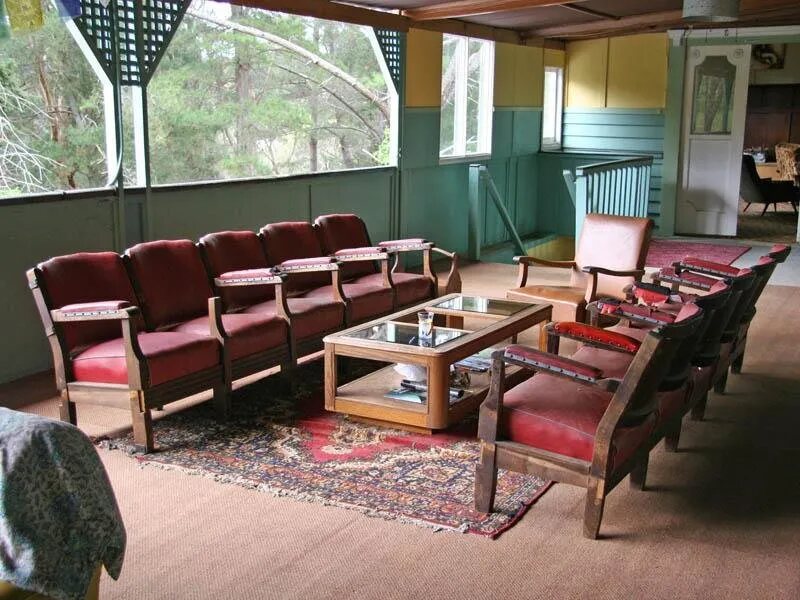
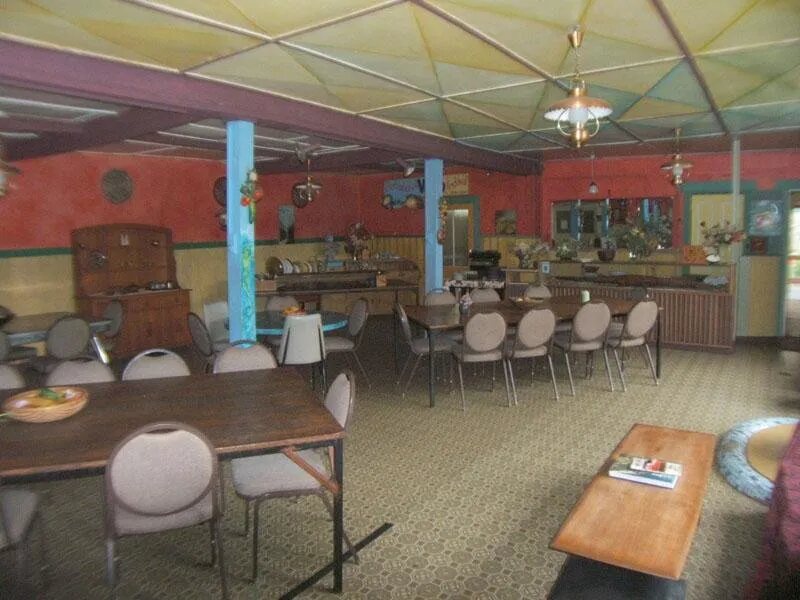
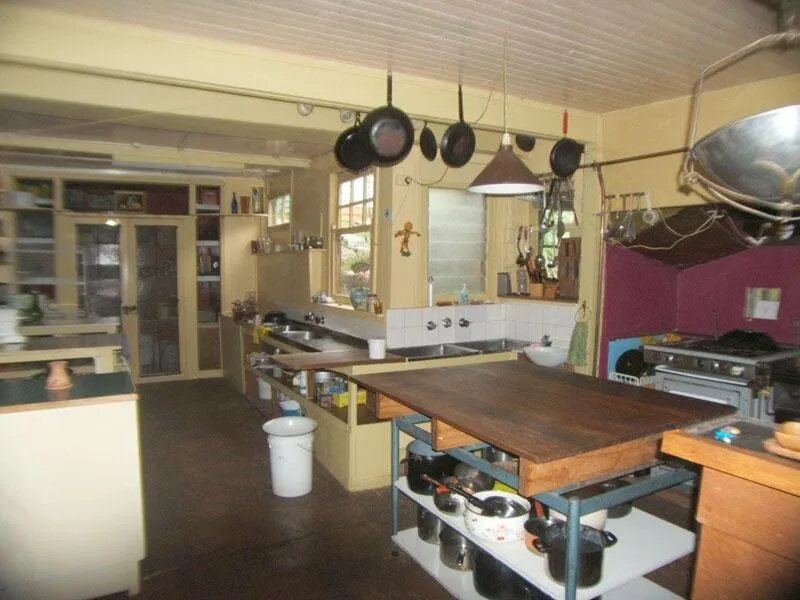
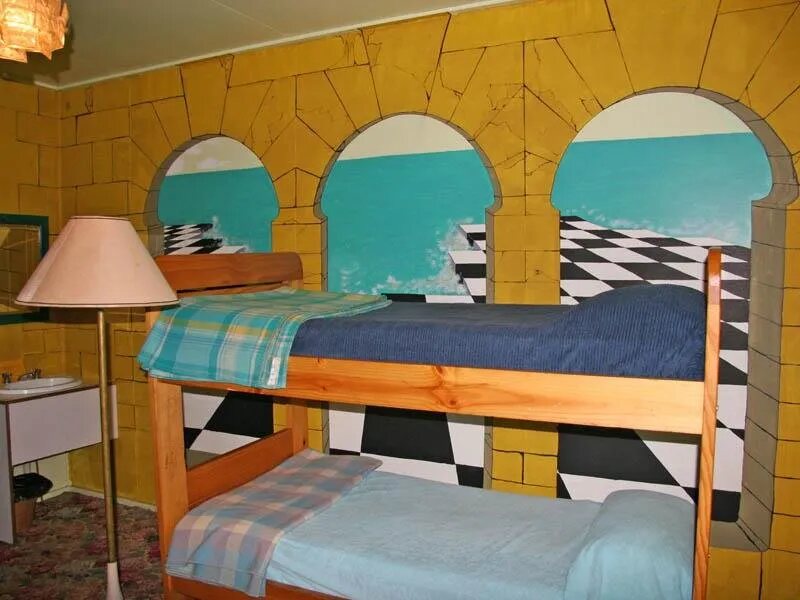
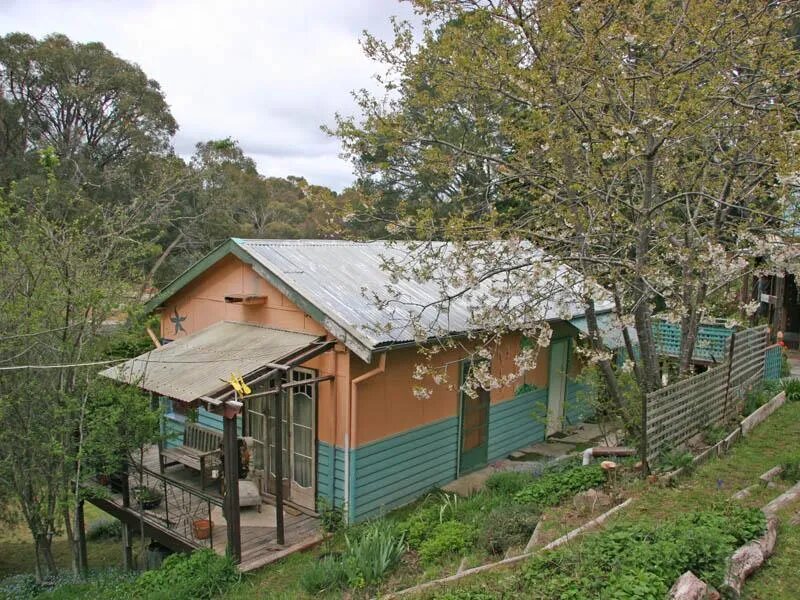
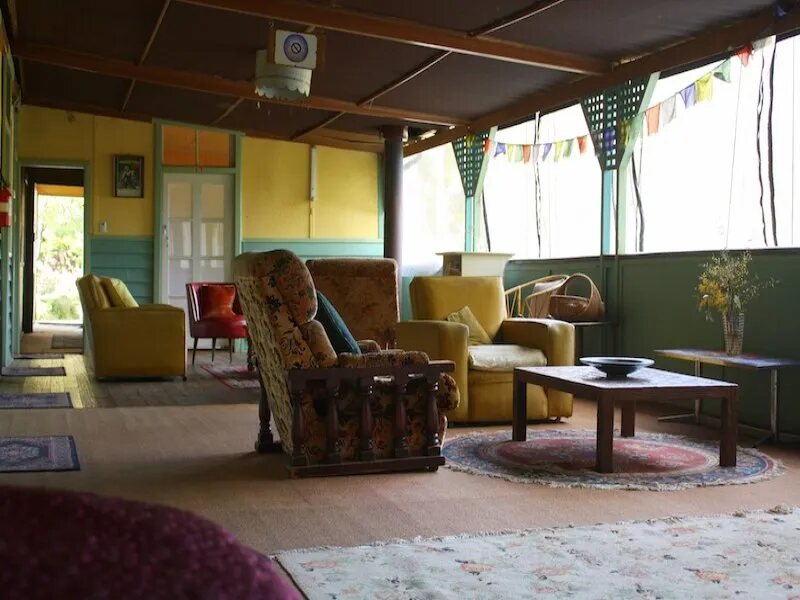
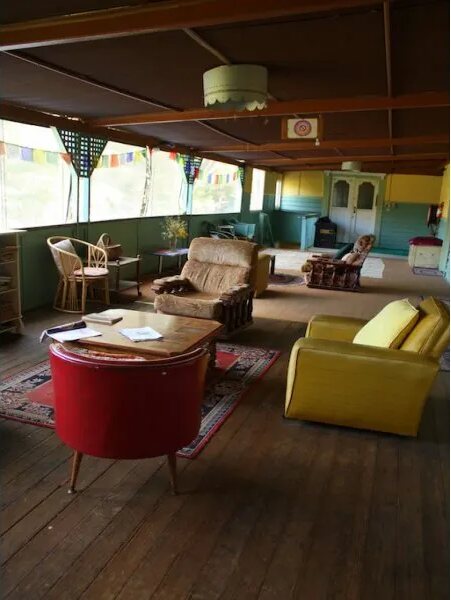
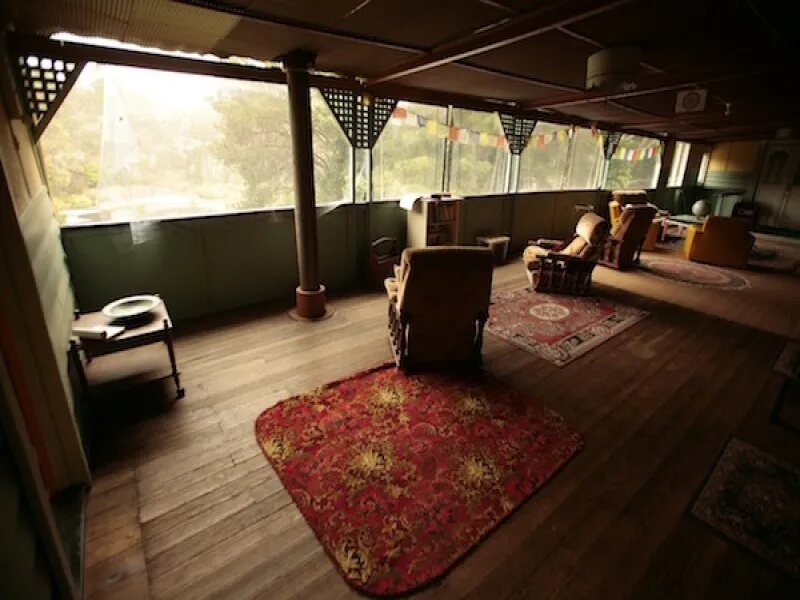
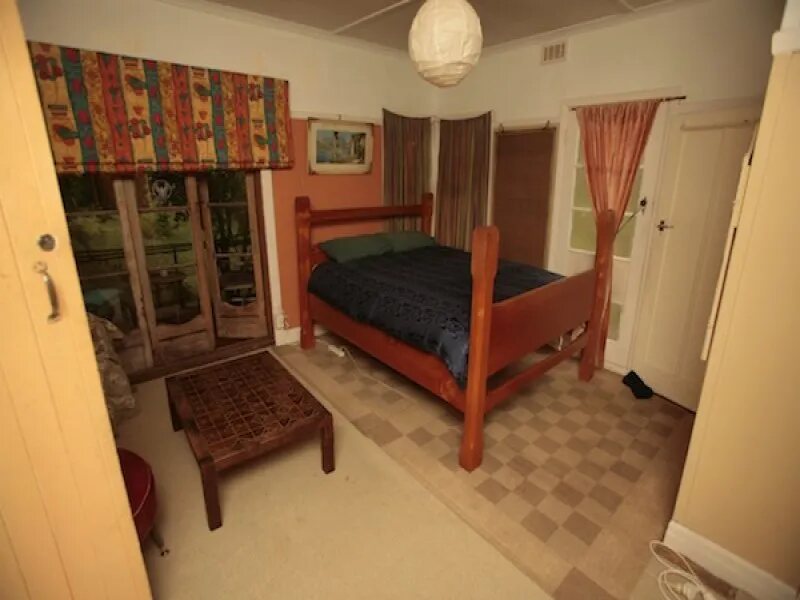
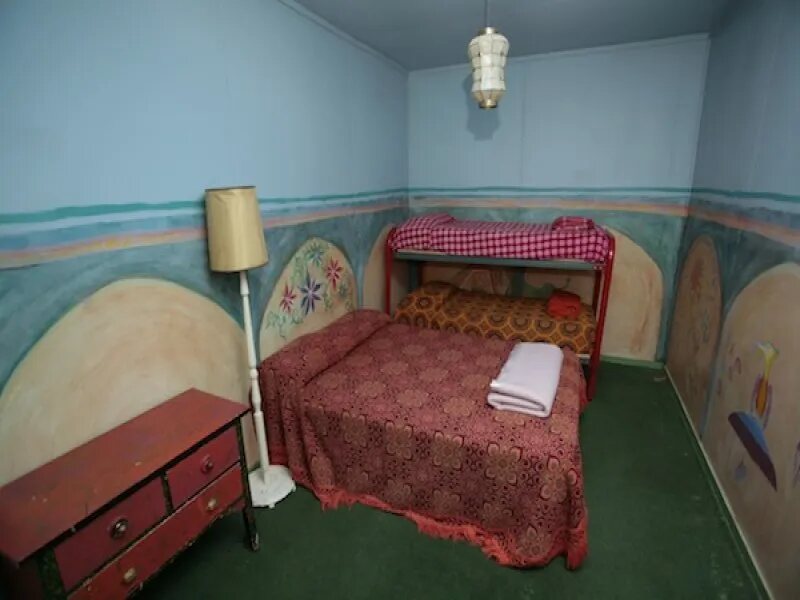
From the 2006 and 2012 sale listings
The wellness years
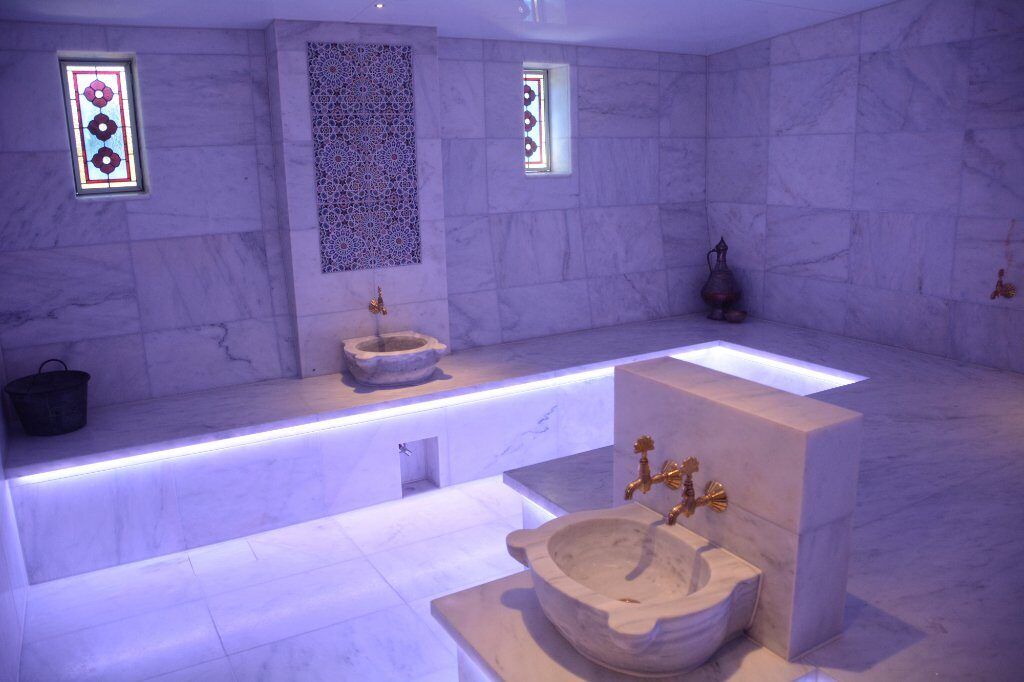
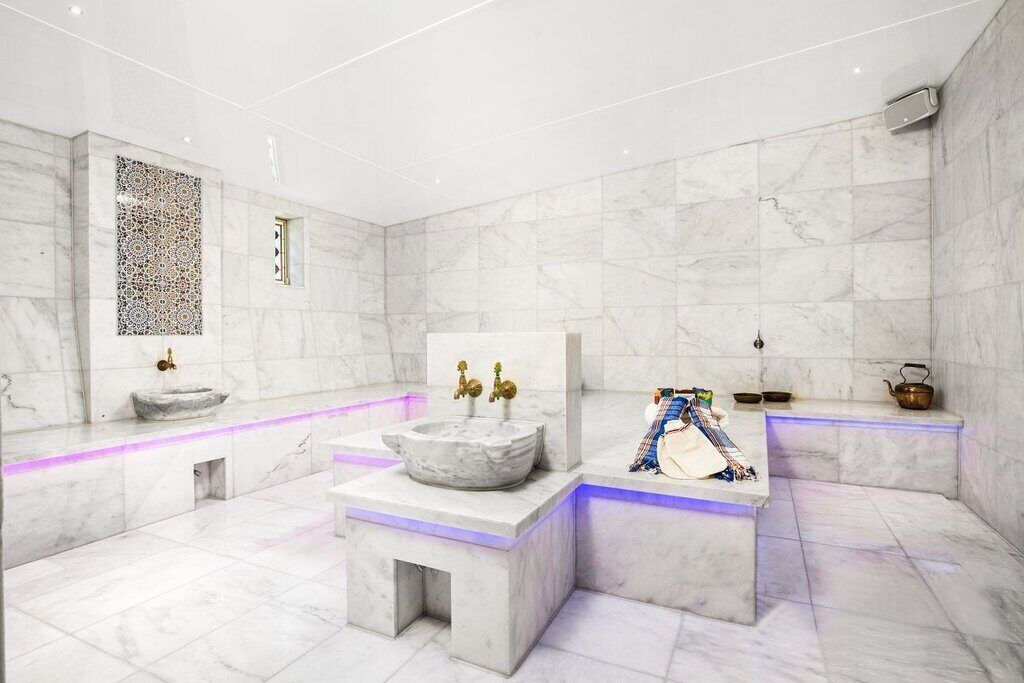
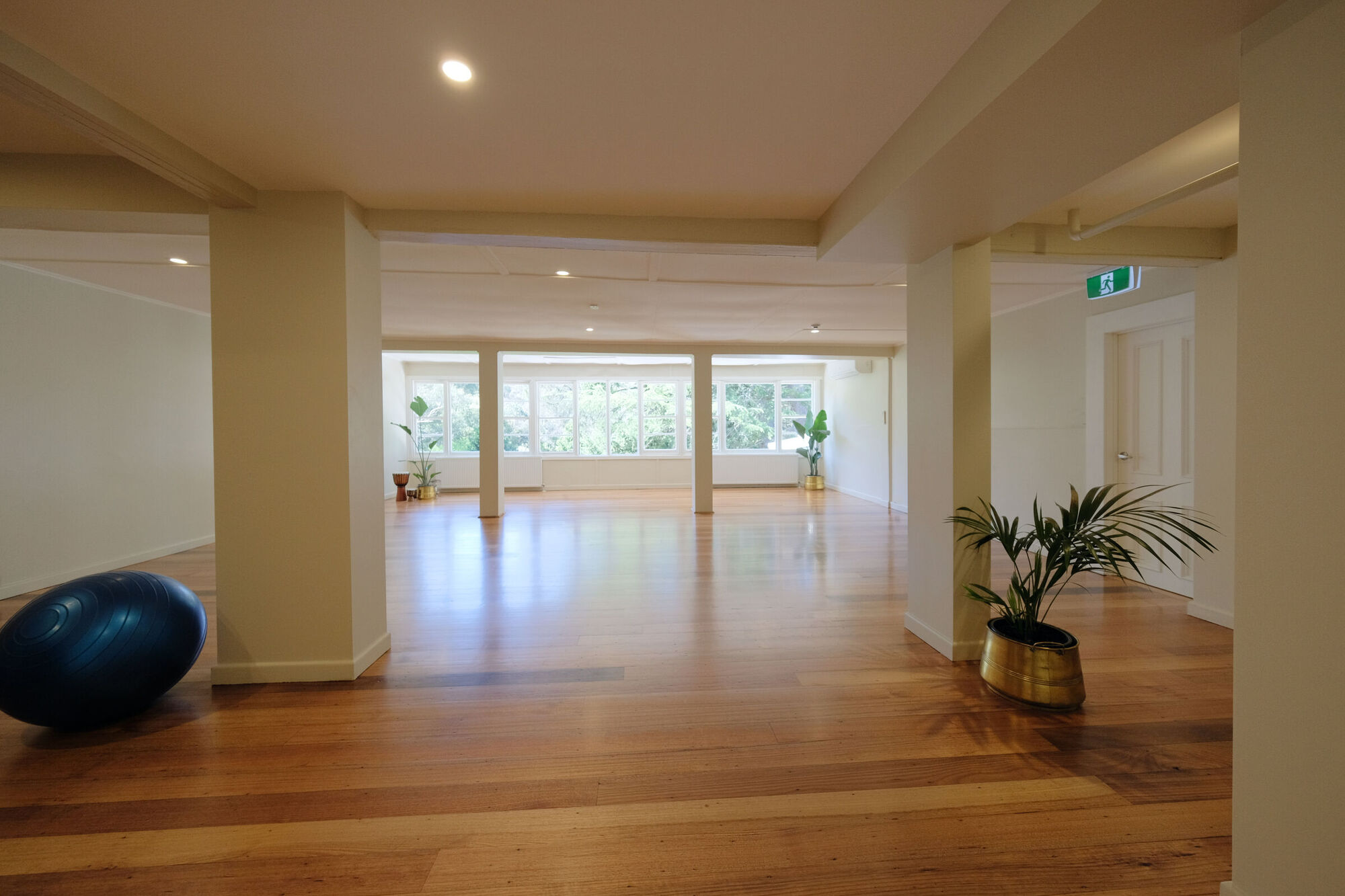
When Veronica and Steve Whitter bought the Conti, it was falling down, with ceilings patched in beer-can steel. They restored it room by room. They gave every bedroom an ensuite, added a yoga room, and built a Turkish hammam inspired by a trip they took for their anniversary. Seventy years after the Rollers sold American bubble baths, guests were once again being wrapped in bubbles at the Continental. Lifting the old floor coverings, the Whitters found beautiful boards, around 5,000 staples, and old copies of the Australian Jewish Herald and Jewish Gazette.
They kept as many of the house’s features as possible, and one of the murals can still be found in Room 10. Veronica also started a famous dress-up cupboard, which grew to more than a thousand pieces and became a fixture of retreat farewell dinners. Wellness and yoga groups from around the country came to know the Conti for its charm and its quirk.
A new chapter
In 2025 the Tamir family took over the Conti. Having stayed here in the 1990s, they arrived with a deep connection to the house and its Jewish heritage, and a clear aim: to keep everything people love about the Conti, while making it more comfortable than ever.
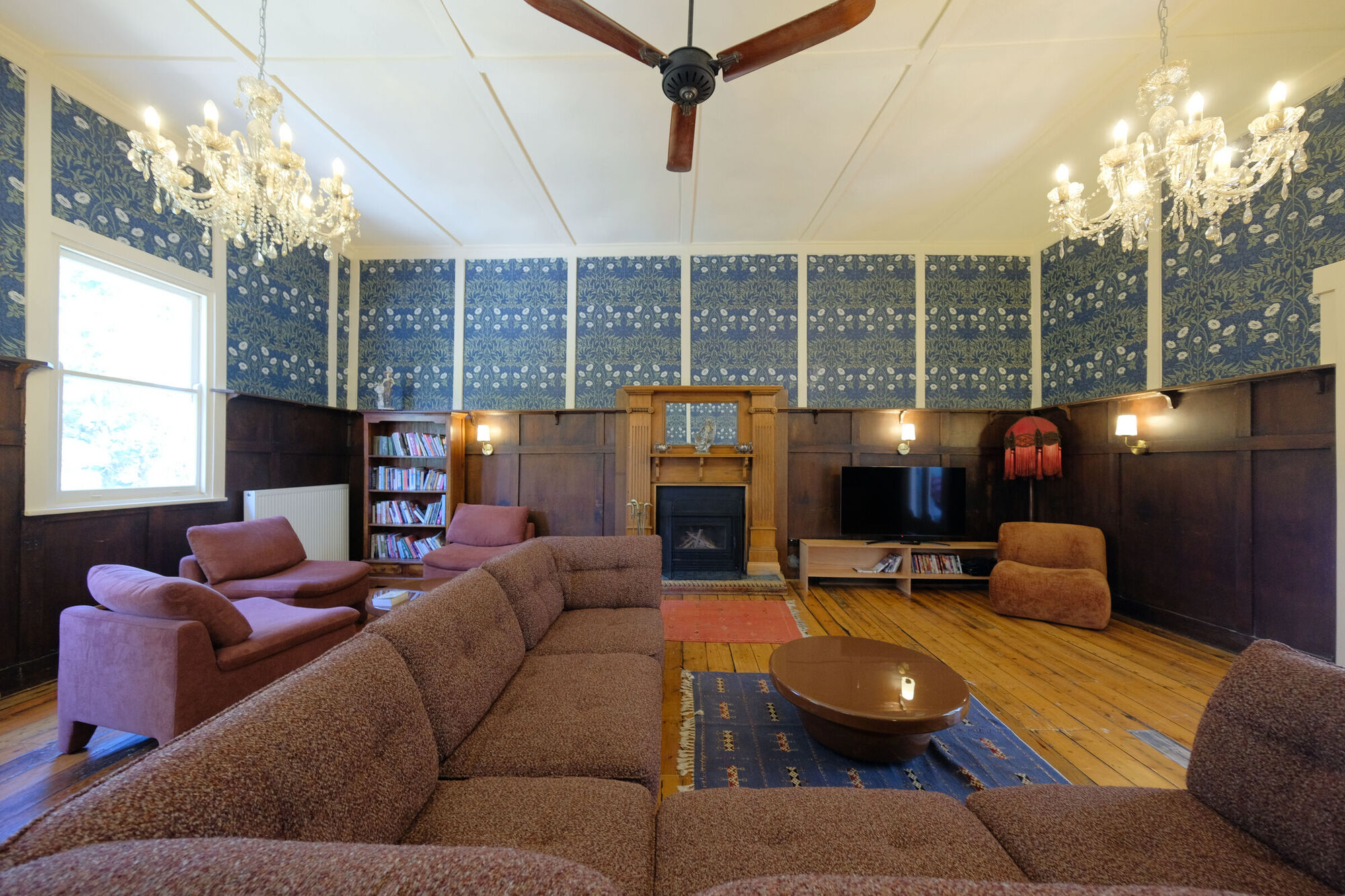
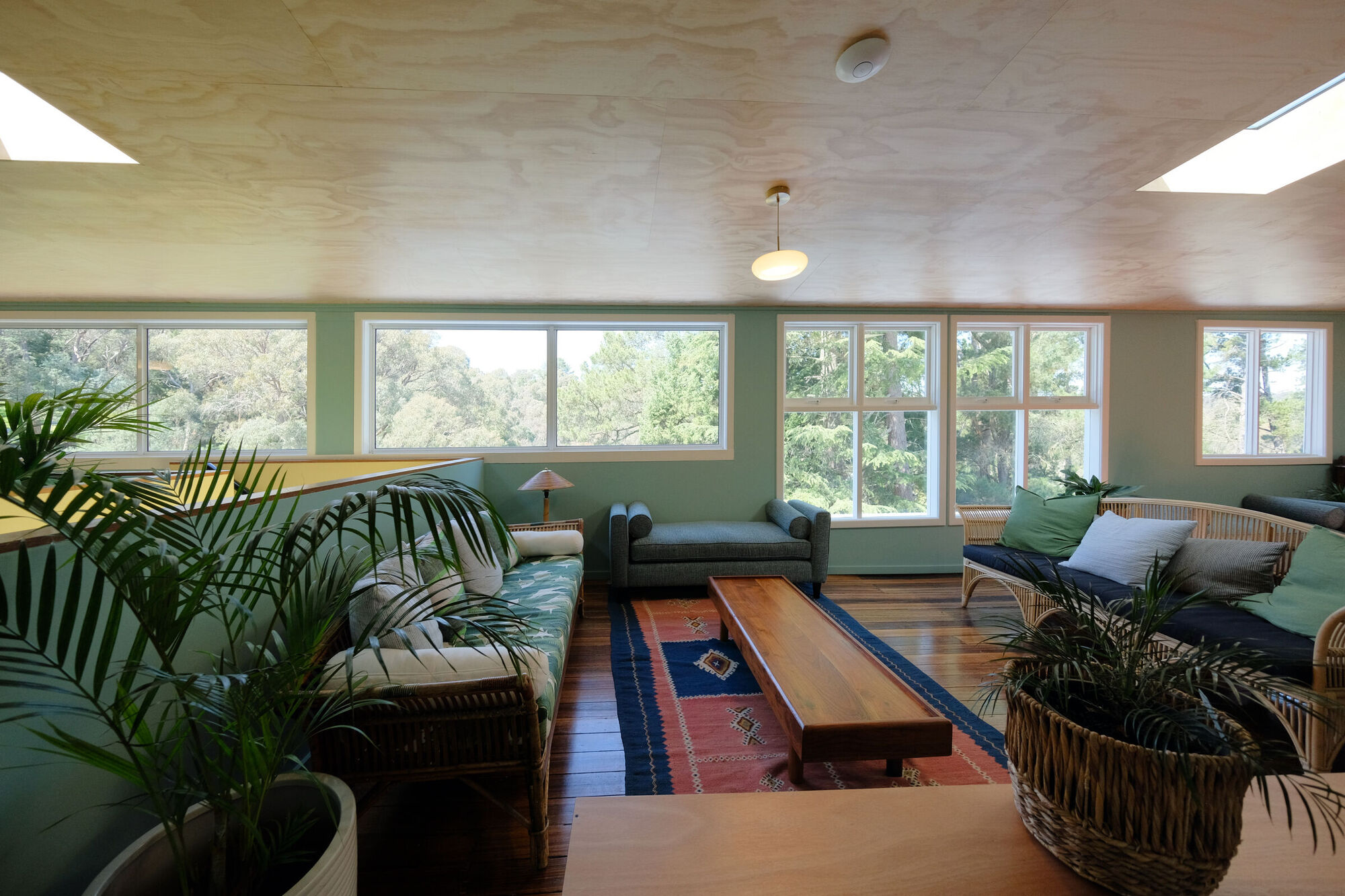
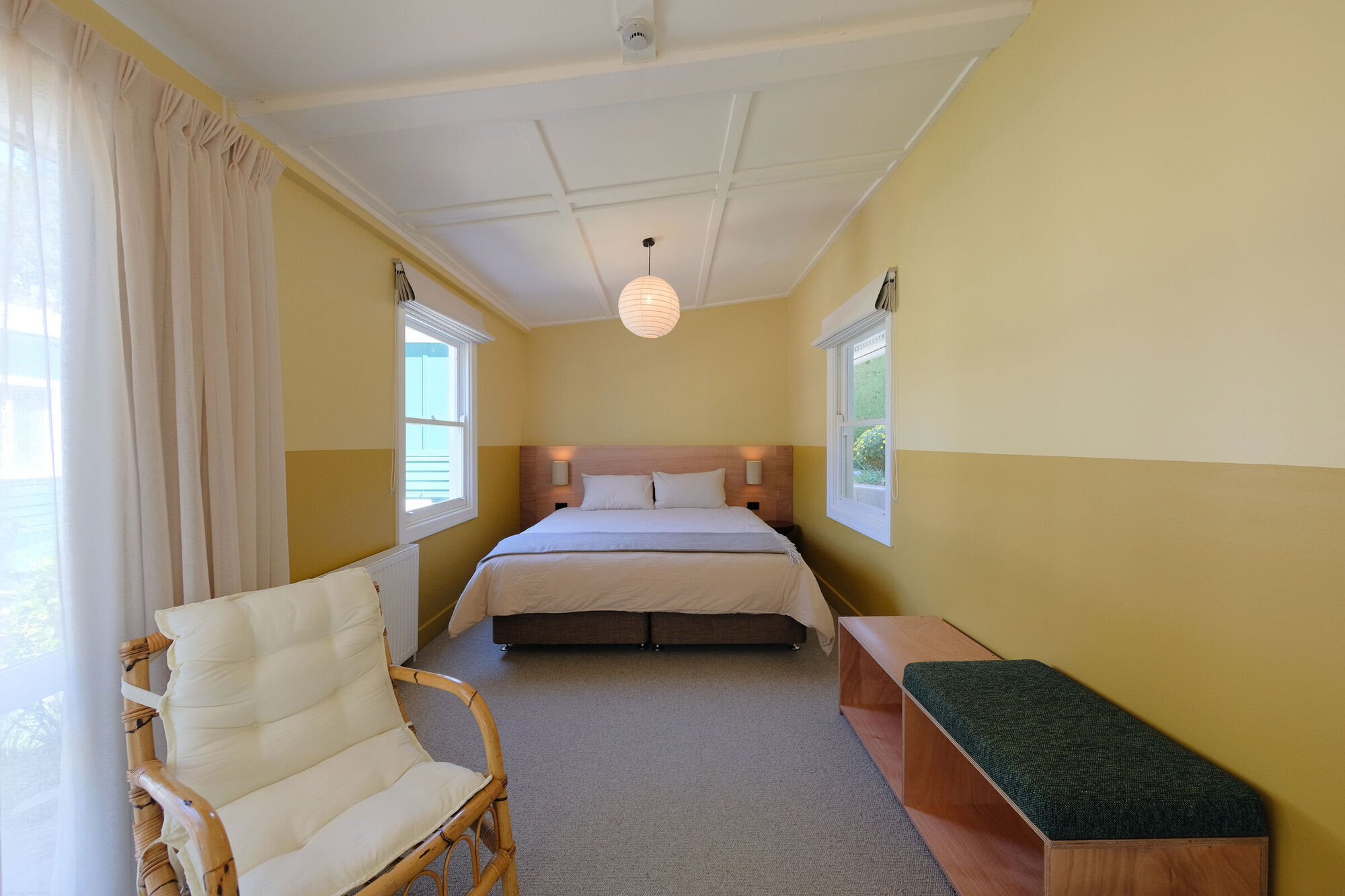
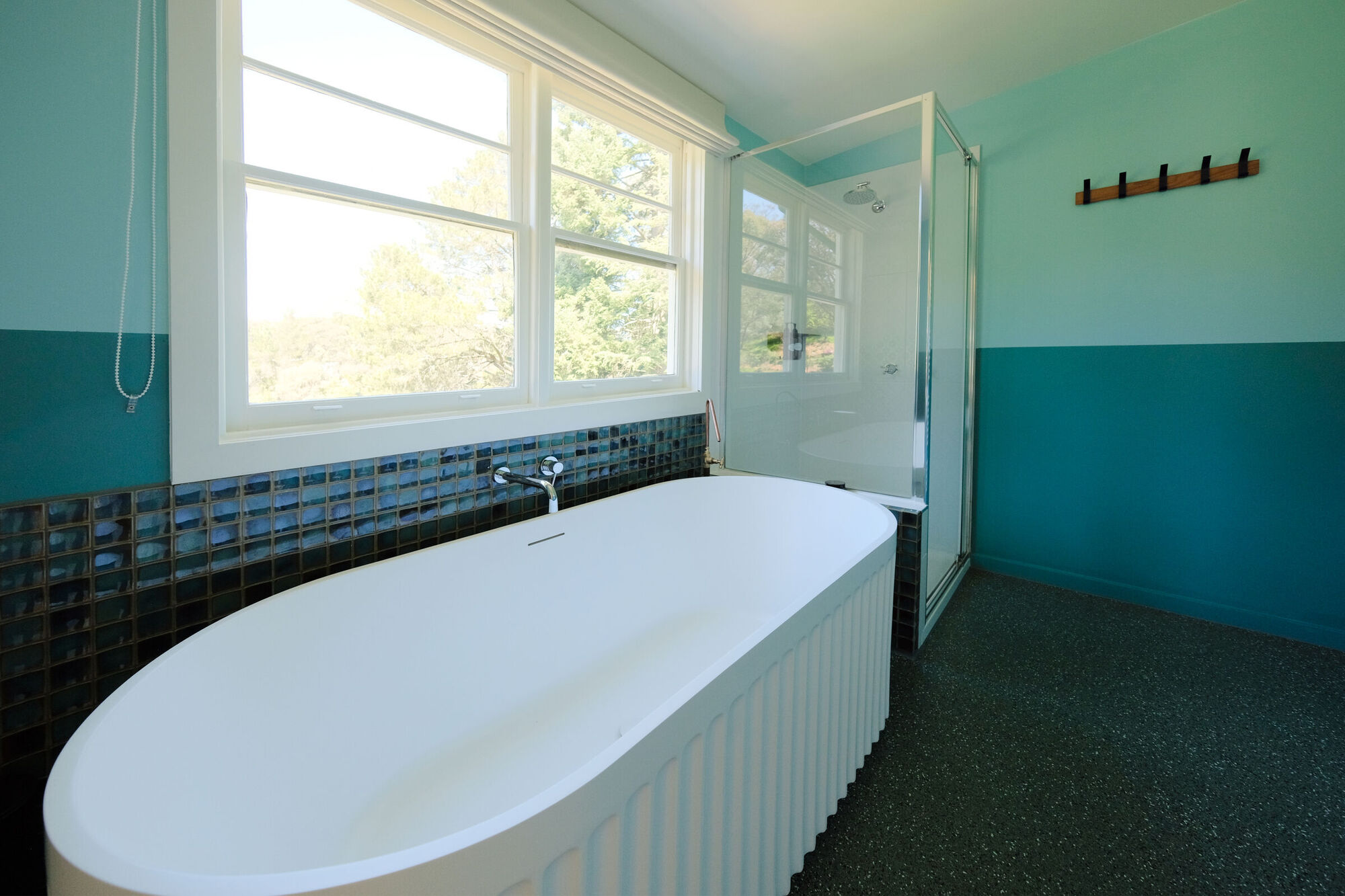
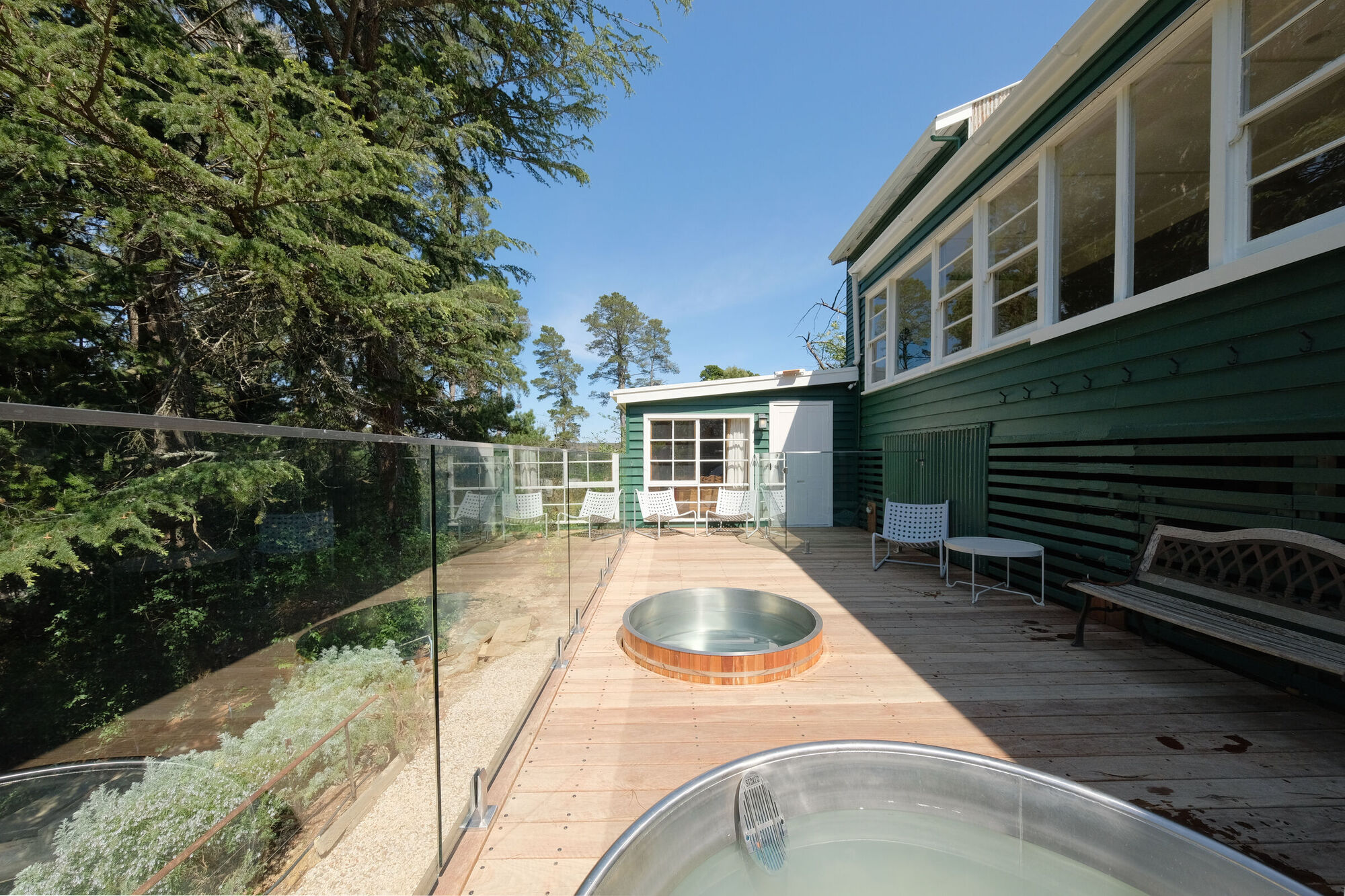
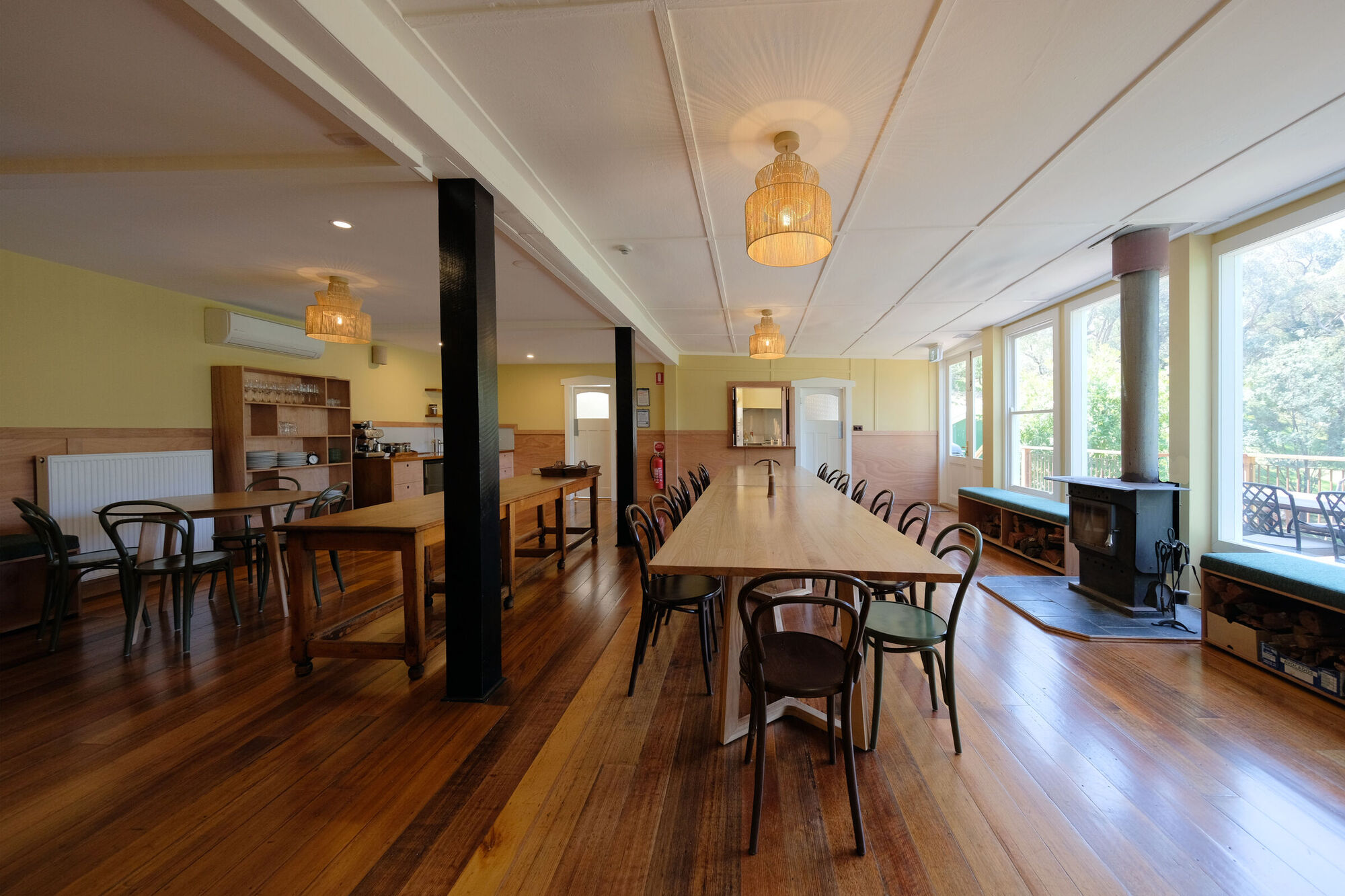
Through 2026 the house was fully renovated. Many of its structures were caving in, so they were completely reinstated to keep the Conti standing for another hundred years. Every original feature was restored and retained. The bedrooms, bathrooms and bedding have all been upgraded for guest comfort, new windows and skylights bring in more light, and the heating system has been upgraded. New spa facilities now sit alongside the much-loved hammam, and the Conti has its own mineral water bore, drilled 115 metres below the house and piped to the baths for guests to soak in.
The Conti has changed many times over its first hundred years. But it has always been a place for respite, retreat and healing, and for coming home.
Write the next chapter
Did you stay at the Conti? We’d love your stories and photos: info@continentalhouse.com.au
Book your retreat →Sources: National Library of Australia (Trove). Daylesford Historical Society. The Australian Jewish News. The Advocate. Carol Saffer, on The Local Country Life podcast. Stories collected from family, friends and past guests.